
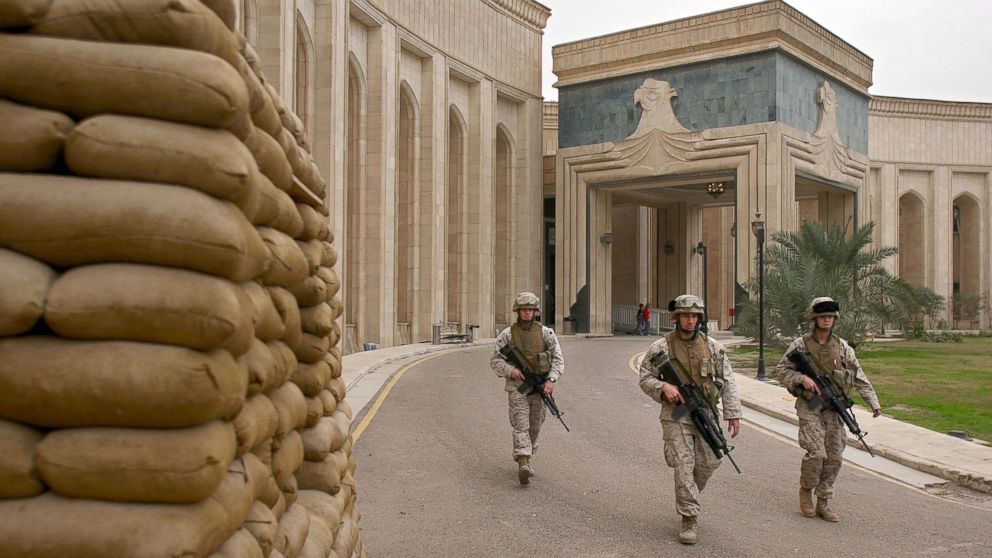
Growing global instability has placed U.S. embassies under threat abroad, forcing Washington to implement urgent security measures and contingency plans. Diplomatic missions across multiple regions are facing heightened risks as geopolitical tensions intensify.
Officials have confirmed that both embassies and military personnel are operating under elevated alert levels, particularly in areas affected by ongoing conflicts and regional rivalries.
Increased risks for diplomatic missions
The situation involving U.S. embassies under threat abroad has become a top priority for security agencies.
Recent intelligence reports indicate potential threats targeting diplomatic facilities in volatile regions, including the Middle East and parts of Africa.
Popular


 Situación política y económica de Venezuela 2026: un país en transición
These risks include:
- Coordinated attacks by armed groups
- Drone and missile threats
- Civil unrest near embassy compounds
- Cybersecurity breaches
Authorities are taking these warnings seriously, given the strategic importance of U.S. diplomatic presence worldwide.
Emergency evacuations and travel advisories
In response to the growing danger, the U.S. Department of State has issued updated travel advisories and initiated evacuation procedures for non-essential personnel.
Several embassies have reduced staff levels, while others have temporarily suspended operations.
American citizens in affected areas are being urged to:
- Register with embassy services
- Avoid high-risk zones
- Follow official safety guidance
These measures aim to minimize exposure to potential threats.
Military support and contingency planning
As U.S. embassies under threat abroad continue to face risks, the Pentagon has increased its involvement in protecting diplomatic missions.
Military assets have been positioned near critical locations to provide rapid response capabilities if needed.
Contingency plans include:
- Emergency evacuations
- Deployment of additional troops
- Reinforcement of embassy security
- Coordination with allied forces
Officials emphasize that preparedness is key to preventing escalation.
Middle East remains a focal point
The Middle East has emerged as a central area of concern amid rising tensions involving regional powers.
U.S. embassies in countries such as Iraq, Lebanon, and others are under particular scrutiny due to ongoing conflicts and the presence of armed groups.
Security experts warn that these locations face a higher probability of targeted attacks, especially during periods of heightened political tension.
Impact on diplomatic operations
The threat environment is significantly affecting the day-to-day operations of U.S. embassies.
Routine diplomatic activities, including visa processing and public services, have been disrupted in some locations.
In addition, diplomatic staff are operating under strict security protocols, limiting their movement and interactions.
These constraints highlight the broader impact of global instability on international relations.
Coordination with allied nations
The United States is working closely with allied countries to address the risks facing diplomatic missions.
Joint efforts include intelligence sharing, coordinated security measures, and mutual support in emergency situations.
This cooperation is essential in regions where multiple foreign embassies face similar threats.
Rising global tensions fuel uncertainty
The broader geopolitical landscape is contributing to the challenges faced by U.S. embassies.
Conflicts, political instability, and rivalries between major powers are creating an unpredictable environment.
As a result, diplomatic missions must remain adaptable and prepared for rapid changes in security conditions.
Concerns for American citizens abroad
The situation involving U.S. embassies under threat abroad also raises concerns for American citizens living or traveling overseas.
Embassies play a crucial role in providing assistance during emergencies, and any disruption to their operations can affect support services.
Authorities are encouraging citizens to stay informed and maintain contact with embassy officials.
Economic and logistical implications
The increased security measures come with significant costs and logistical challenges.
Maintaining high levels of protection requires additional resources, including personnel, equipment, and infrastructure upgrades.
These factors can strain budgets and impact the efficiency of diplomatic operations.
What experts are saying
Security analysts emphasize that the current threat environment reflects a broader shift in global security dynamics.
They point to the increasing use of unconventional tactics, such as cyberattacks and drone warfare, as key factors complicating defense strategies.
Experts also stress the importance of diplomacy in reducing tensions and preventing further escalation.
Future outlook
Officials expect that U.S. embassies under threat abroad will remain a concern in the near future.
The evolving nature of global conflicts means that security risks are likely to persist.
Authorities are continuing to monitor developments closely and adjust strategies as needed.
Conclusion
The growing risks facing U.S. embassies under threat abroad highlight the challenges of maintaining diplomatic presence in an increasingly unstable world.
As tensions continue to rise, the United States is taking proactive steps to protect its personnel and citizens.
The effectiveness of these measures will play a critical role in ensuring the safety of diplomatic missions and preserving international engagement
