
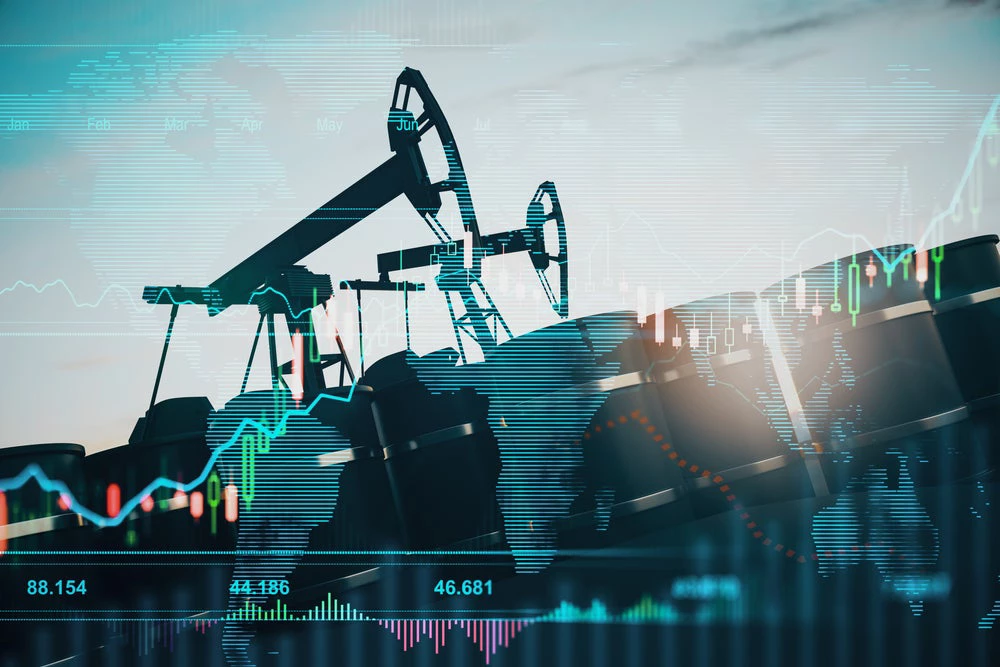
Global markets are under pressure as oil prices rise global conflict becomes one of the most critical economic concerns of 2026. Escalating geopolitical tensions, particularly in key energy-producing regions, have triggered volatility in oil markets and raised fears of prolonged economic instability.
Analysts warn that the current surge in prices could have widespread consequences, affecting everything from fuel costs to inflation rates across major economies.
Sharp increase in crude oil prices
The latest data shows that oil benchmarks have experienced a significant increase in recent weeks.
As oil prices rise global conflict intensifies, traders are reacting to uncertainties surrounding supply routes and production levels.
Popular


 Situación política y económica de Venezuela 2026: un país en transición
The price surge is largely driven by fears that ongoing tensions could disrupt the flow of oil through critical chokepoints, especially in the Middle East.
Strategic routes at risk
One of the main concerns behind the rising prices is the vulnerability of major oil transit routes.
The Strait of Hormuz, a key passage for global oil shipments, is at the center of attention due to its strategic importance.
Any disruption in this region could significantly reduce supply, leading to further price spikes and global economic repercussions.
Impact on gasoline and consumers
As oil prices rise global conflict continues to affect markets, consumers are beginning to feel the impact.
Gasoline prices have increased in several countries, placing additional pressure on household budgets.
In the United States, rising fuel costs are becoming a major concern, especially as they contribute to broader inflation trends.
Inflation fears grow worldwide
The surge in oil prices is closely linked to inflation, as energy costs influence a wide range of goods and services.
Higher transportation costs can lead to increased prices for food, manufacturing, and logistics.
Economists warn that sustained high oil prices could slow economic growth and complicate recovery efforts in several regions.
Government responses and policy options
Governments are exploring various strategies to mitigate the impact of rising oil prices.
In the United States, officials are considering measures such as:
- Releasing oil from strategic reserves
- Encouraging domestic production
- Coordinating with international partners
These actions aim to stabilize markets and prevent further economic disruption.
Market volatility and investor uncertainty
Financial markets have reacted strongly to the situation as oil prices rise global conflict drives uncertainty.
Investors are shifting their strategies, with some moving toward safer assets while others seek opportunities in the energy sector.
Stock markets have shown fluctuations, reflecting concerns about the broader economic outlook.
Energy sector sees mixed effects
While higher oil prices can benefit energy producers, they also create challenges for other industries.
Airlines, transportation companies, and manufacturing sectors are particularly vulnerable to increased fuel costs.
This imbalance highlights the complex impact of rising oil prices on the global economy.
Long-term geopolitical implications
The current situation underscores the strong link between geopolitics and energy markets.
As tensions persist, countries may reevaluate their energy strategies, including diversification of supply and investment in renewable sources.
Experts suggest that this could accelerate the global transition toward alternative energy solutions.
Businesses adapt to rising costs
Companies across various sectors are adjusting their operations to cope with higher energy expenses.
Some are increasing prices, while others are seeking efficiency improvements to reduce costs.
These adjustments could have lasting effects on business models and consumer behavior.
What analysts expect next
Experts predict that oil prices will remain volatile in the near term.
Much will depend on how geopolitical tensions evolve and whether supply disruptions occur.
Market stability will likely hinge on diplomatic developments and coordinated global responses.
Conclusion
The trend as oil prices rise global conflict continues to shape the global economic landscape, highlighting the vulnerability of energy markets to geopolitical instability.
With rising costs impacting consumers, businesses, and governments alike, the need for effective strategies to manage energy risks has become more urgent than ever.
The coming months will be crucial in determining whether markets stabilize or face further disruption.

2 thoughts on “Oil prices rise as global conflict fuels market instability and economic concerns”