
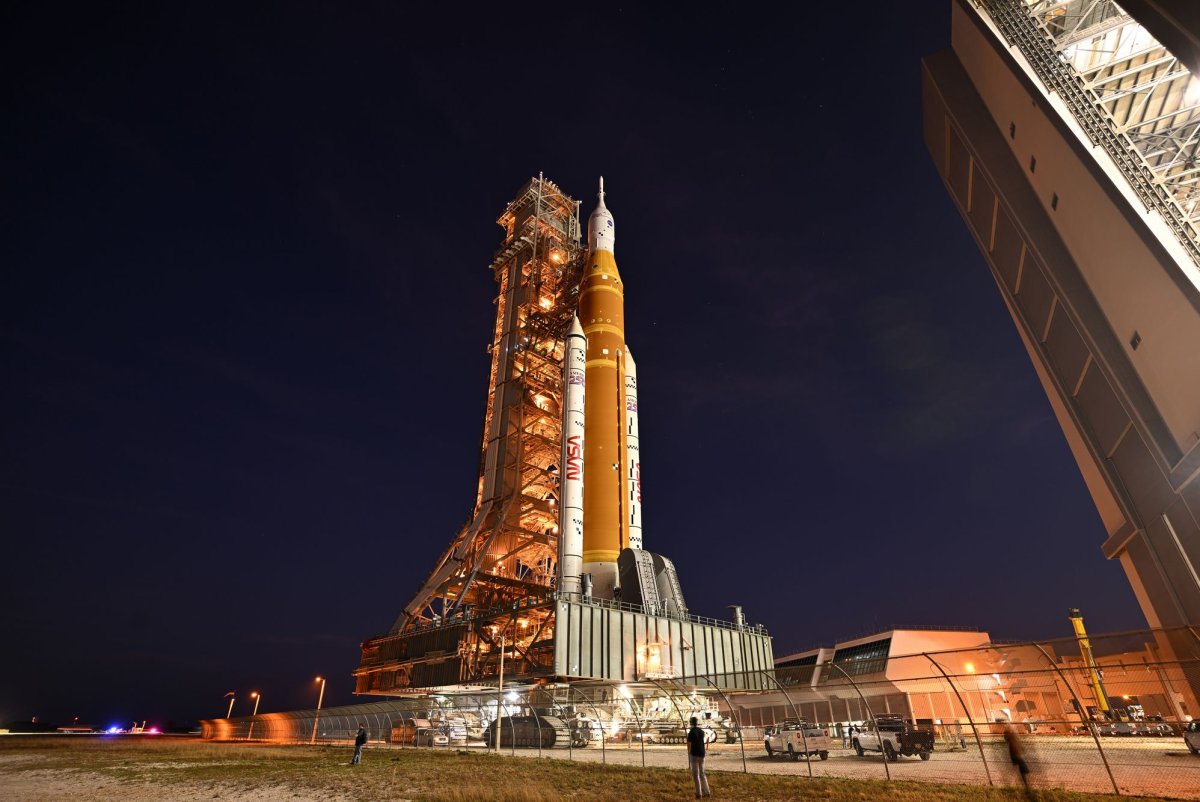
The NASA Artemis mission delay has become one of the most talked-about developments in the world of space exploration, as officials confirmed that the long-awaited return of humans to the Moon will now take place later than originally planned.
This shift in timeline reflects the complexity of modern space missions, where safety, precision, and technological readiness are critical factors that cannot be compromised.
The announcement has sparked global interest, not only among scientists and engineers but also among the general public, who have been closely following humanity’s renewed journey to the Moon.
A historic mission with global significance
The Artemis program represents NASA’s most ambitious effort since the Apollo era.
Popular




 Situación política y económica de Venezuela 2026: un país en transición
Its primary objective is to return astronauts to the Moon and establish a sustainable human presence.
The NASA Artemis mission delay does not change the long-term vision, but it does highlight the challenges involved in achieving such a goal.
Unlike previous missions, Artemis aims to create a long-term infrastructure that could support future exploration, including missions to Mars.
Why the timeline has changed
NASA officials cited several reasons behind the NASA Artemis mission delay.
These include:
- Technical challenges in spacecraft development
- Additional safety testing requirements
- Integration of complex systems
- Coordination with private sector partners
Each of these factors plays a crucial role in ensuring mission success.
Safety remains the top priority
One of the key reasons for the delay is NASA’s commitment to safety.
Human spaceflight carries inherent risks, and even minor issues can have significant consequences.
The NASA Artemis mission delay reflects a cautious approach designed to minimize those risks.
Engineers are conducting extensive testing to ensure that all systems perform as expected under extreme conditions.
The role of new technology
The Artemis program relies on advanced technologies that go beyond what was used during the Apollo missions.
These include:
- Next-generation spacecraft
- Advanced propulsion systems
- Improved life support systems
- Enhanced communication technologies
The NASA Artemis mission delay underscores the complexity of integrating these innovations into a single mission.
Collaboration with private companies
A unique aspect of the Artemis program is its collaboration with private companies.
These partnerships are helping to accelerate innovation and reduce costs.
However, they also add layers of coordination that can influence timelines.
The NASA Artemis mission delay reflects the challenges of managing such a large-scale collaborative effort.
The new timeline: Moon landing in 2028
According to the updated schedule, the next crewed Moon landing is expected to take place in 2028.
This gives NASA additional time to complete testing and ensure readiness.
While the delay may be disappointing to some, experts emphasize that it is a necessary step toward long-term success.
Preparing for a sustained lunar presence
Unlike previous missions, Artemis is not just about reaching the Moon—it is about staying there.
NASA plans to establish a sustainable presence that includes:
- Lunar habitats
- Scientific research stations
- Resource utilization systems
The NASA Artemis mission delay allows more time to develop these capabilities.
Scientific and economic implications
The Artemis program has significant scientific and economic potential.
It could lead to new discoveries about the Moon’s composition and history.
Additionally, it may open opportunities for commercial activities in space.
The NASA Artemis mission delay does not diminish these possibilities but rather ensures they are pursued responsibly.
Global competition in space exploration
The delay also comes at a time when other countries are advancing their own space programs.
This adds a competitive dimension to the Artemis mission.
The NASA Artemis mission delay highlights the importance of maintaining leadership in space exploration.
Public interest and expectations
Public enthusiasm for space exploration remains high.
The Artemis program has captured the imagination of millions of people around the world.
The NASA Artemis mission delay has generated mixed reactions, with some expressing disappointment and others supporting the focus on safety.
Challenges of deep space missions
Space missions beyond Earth orbit present unique challenges.
These include:
- Radiation exposure
- Extreme temperatures
- Limited communication
The NASA Artemis mission delay reflects the need to address these challenges thoroughly.
The path toward Mars
Artemis is seen as a stepping stone toward future missions to Mars.
Lessons learned from lunar missions will be applied to deeper space exploration.
The NASA Artemis mission delay is part of a broader strategy aimed at achieving long-term goals.
Innovation driven by exploration
Space exploration has historically driven technological innovation.
Advances developed for the Artemis program could have applications on Earth.
The NASA Artemis mission delay provides additional time to refine these technologies.
A long-term vision
Despite the delay, NASA remains committed to its vision of expanding human presence in space.
The Artemis program is a key component of that vision.
The NASA Artemis mission delay should be seen as an investment in the future rather than a setback.
Looking ahead
As NASA continues to work toward its goals, the focus will remain on preparation and readiness.
Future announcements will provide updates on progress and milestones.
The NASA Artemis mission delay is just one chapter in a larger story of exploration.
Conclusion
The NASA Artemis mission delay highlights the complexity and ambition of modern space exploration.
While the timeline has shifted, the mission’s goals remain unchanged: to return humans to the Moon and pave the way for future exploration beyond.
By prioritizing safety, innovation, and collaboration, NASA is ensuring that when the next Moon landing occurs, it will mark not just a return, but a new beginning for humanity in space.
